Electric vehicles are no longer just a futuristic dream—they’re hitting Ottawa streets faster than ever. Even luxury brands like Lamborghini and Ferrari are going electric, signaling a seismic shift in the automotive world.
But owning an EV is only half the journey. The other half (often overlooked) is the charger. You might be thinking “Can my current wiring handle EV charger installation?”
That’s where electrical contractors in Ottawa step in. With professional expertise, they ensure your home or office is ready for a safe, efficient charging setup.
Let’s explore the complete guide about EV charger wiring and installation in Ottawa, from assessing your wiring to installation, costs, and expert tips.
Why EV Chargers Are Becoming Essential in Ottawa
Ottawa is experiencing an EV revolution. Commuters, families, and businesses are realizing the convenience of charging at home or the office rather than depending solely on public stations.
A dedicated EV charger saves time, prevents long wait lines, and ensures your vehicle is ready whenever you need it. But convenience comes with responsibility.
Installing a charger without proper knowledge can overload circuits, trip breakers, or even cause hazards. That’s why certified electrical contractors in Ottawa like “Salter Electric” are essential. We combine technical skill with local knowledge to ensure safety and compliance with Ontario Electrical Safety Authority (ESA) regulations.
Can Your Home or Office Wiring Support an EV Charger?
Before scheduling installation, it’s crucial to assess your existing electrical setup. Ottawa homes vary widely—new builds have modern panels, while older houses may have outdated systems.
i) Assessing Your Electrical Panel Capacity
EV chargers can demand up to 40 amps or more. If your panel is maxed out or outdated, your system may not safely support a charger. A licensed electrician can evaluate breaker capacity, available circuits, and overall load to prevent overloading.
ii) Older Homes vs New Constructions
Older homes may require panel upgrades or additional wiring circuits to safely accommodate an EV charger. Newer constructions often already support higher loads, but professional verification is still essential.
A miscalculation could lead to tripped breakers or electrical hazards, which you don’t want when charging your brand-new Audi E-Tron GT.
Step-by-Step Guide to EV Charger Installation
i) Choosing the Right Charger Type
There are several options, from Level 1 chargers that plug into standard outlets to Level 2 chargers requiring a dedicated circuit. Your usage, vehicle type, and budget determine the optimal choice.
ii) Professional Installation Process
– Site Assessment: Electricians examine your panel, wiring, and potential installation sites.
– Panel Upgrade (if needed): Installation may require a new breaker or upgraded panel.
– Wiring & Circuit Installation: Proper gauge wiring is run to the charger location.
– Charger Mounting & Connection: Safely mounted, connected, and tested.
– Safety Checks & Compliance: Ensures adherence to ESA standards and local codes.
Professional electrical contractors in Ottawa not only install the charger but guarantee that your home wiring remains safe and compliant.
iii) Safety Checks and Compliance
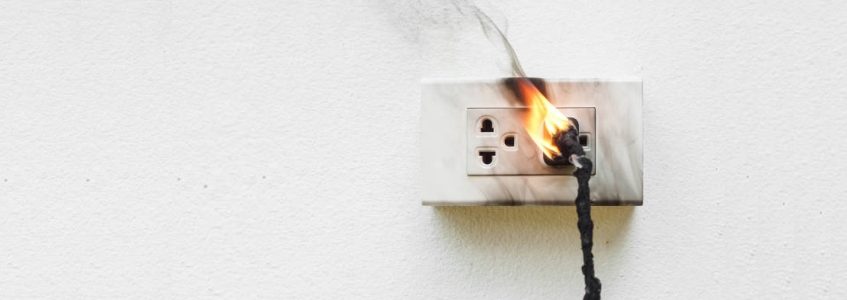
Safety is non-negotiable. Improper installations can lead to fires, damaged vehicles, or code violations. Certified electricians inspect every connection, test amperage, and verify grounding to prevent hazards.
Common Mistakes to Avoid During EV Charger Wiring
- DIY Installations: Even if you have technical know-how, local regulations often require a licensed electrician.
- Ignoring Panel Capacity: Overloading your panel can trip breakers or damage circuits.
- Incorrect Charger Placement: Placing chargers in wet areas or tight spaces can reduce efficiency or create hazards.
- Using Substandard Materials: Cheaper wires or connectors may fail under high current loads.
- Skipping Safety Inspections: Always verify compliance with ESA standards.
By avoiding these mistakes, you ensure longevity, safety, and reliable charging every time.
Cost Factors and Considerations for EV Charger Installation
Installing an EV charger in Ottawa varies in cost depending on your home’s wiring, panel capacity, and charger type. Factors include:
– Panel Upgrades: Older homes may need new breakers or panels.
– Distance from Panel to Charger: Longer wiring runs increase labor and material costs.
– Charger Type: Level 2 chargers are more expensive but much faster.
– Permits & Compliance: ESA inspections may add minor fees.
– Labor Costs: Hiring licensed electrical contractors in Ottawa may impact on the budget but guarantee quality.
On average, residential installations range from $1,000–$2,500, with panel upgrades or complex setups reaching higher. Remember, investing in a professional means safety, compliance, and peace of mind.
Why Hire Professional Electrical Contractors in Ottawa
Hiring certified professionals brings multiple benefits:
– Experience & Expertise: They understand local wiring, ESA codes, and safety protocols.
– Trustworthiness: Licensed contractors provide warranties and accountability.
– Efficiency: Projects are completed faster and correctly on the first attempt.
– Advice & Guidance: Professionals help choose the right charger and prepare your system for future upgrades.
FAQs About EV Charger Installation in Ottawa
How much does EV charger installation cost in Ottawa?
Costs vary from $1,000–$2,500 for standard installations, higher if panel upgrades or long wiring runs are needed.
Can I install a charger myself or do I need a licensed electrician?
Licensed electrical contractors in Ottawa are required for safety, code compliance, and insurance purposes. DIY installations are discouraged because electricity doesn’t forgive mistakes.
How long does an installation take?
Typically, 3–6 hours for standard setups. Panel upgrades or complex installations may take longer.
Are there rebates or incentives for installing home chargers in Ottawa?
Yes. The Government of Canada offers incentives for EV charger installations. You can consult with us for further guidance.
What type of wiring upgrades might my home need?
Older homes may require panel upgrades, additional breakers, or new circuits to support Level 2 chargers safely.
Conclusion
EVs are no longer the future, they’re our present. And homeowners in Ottawa are embracing the change. But without proper wiring and professional installation, your charging setup could become a hazard rather than a convenience. By hiring experienced electrical contractors in Ottawa, you gain safety, compliance, and peace of mind while preparing your home or office for the electric future.
Investing in the right installation today ensures convenience, protection, and efficiency for years.
So, even if it’s a home garage, office parking lot, or commercial property, trust Salter Electric to wire your EV charger the right way—because your safety and your vehicle deserve nothing less.